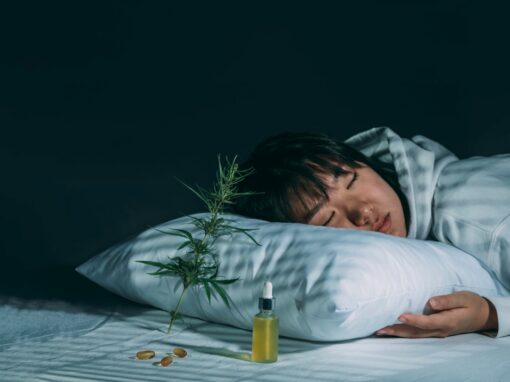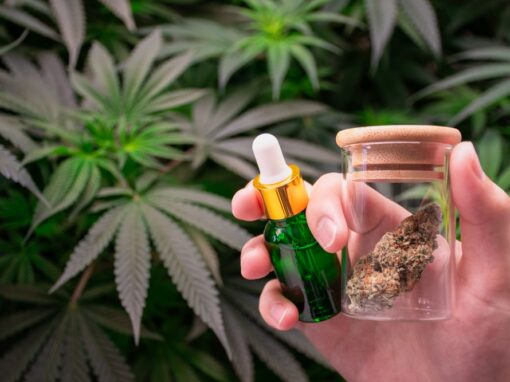
At Flore, we hear a version of the same question every week: “What should I try if I cannot sleep?” Sometimes it is trouble falling asleep. Sometimes it is waking up at 2:00 a.m. and staring at the ceiling. Sometimes it is a racing mind, physical discomfort, or stress that lingers long after the day is over. Cannabis can be part of a sleep plan for some people, but the best results usually come from using it intentionally, choosing the right format, and avoiding the most common mistakes that keep people stuck.
This guide breaks down what cannabis can and cannot do for sleep, which cannabinoids and terpenes matter most, how to choose a product type, and how to dose in a way that supports rest without leaving you foggy the next day. We will keep it practical, because sleep is not theoretical when you are tired.
First, a reality check on the evidence
It is tempting to want a simple promise, like “THC knocks you out” or “CBD fixes insomnia.” Real research is more mixed.
Some studies show cannabis or cannabinoids may help with sleep symptoms in certain contexts, especially when sleep issues are tied to pain, PTSD symptoms, or other health problems, but it is not always clear whether sleep improves directly or because the underlying symptoms improve.
Sleep experts also caution that the overall evidence for treating sleep disorders with cannabis is limited, and that cannabis can have downsides for health and alertness. A 2024 study in the Journal of Clinical Sleep Medicine found cannabis use close to sleep was not associated with improved sleep measures in that sample, which is a useful reminder that “it helps me sleep” does not always show up consistently in objective metrics.
So the best approach is this: cannabis can help some people sleep better in the short term, but it is not a guaranteed fix, and it can backfire if you overshoot dose, use the wrong format, or rely on it every night without a plan.
What “sleep problems” are you actually trying to solve?
At Flore, we start by separating sleep into a few buckets, because the best product choice changes depending on what you are dealing with.
If you cannot fall asleep, you usually need help with downshifting, quieting mental chatter, and easing physical tension. If you fall asleep fine but wake up repeatedly, you may need a longer-duration approach or help with stress physiology. If you wake too early and cannot return to sleep, you may need a product that lasts long enough to cover the second half of the night, without being so heavy that you feel hungover.
It also matters whether your sleep issue is primary, meaning it exists on its own, or secondary, meaning it is driven by something else like chronic pain, anxiety, or nightmares. NCCIH notes many cannabis and cannabinoid studies look at sleep outcomes in people with other health problems, and improvements may reflect symptom relief rather than direct sleep effects.
THC and sleep: why dose matters more than people think
THC (delta-9 THC) is the main intoxicating cannabinoid in cannabis. It is also the cannabinoid most likely to create a noticeable shift toward drowsiness at the right dose, for the right person.
Here is the catch. THC is famously bidirectional. Small to moderate doses can feel sedating for many people, while higher doses can feel mentally stimulating, anxious, or simply too intense to rest. That “too much THC” experience is one of the most common reasons people decide cannabis is not for sleep.
THC can also affect sleep architecture. Some sources discuss that THC-heavy products may reduce REM sleep, which could reduce dreaming and may be relevant for people dealing with nightmares, but the tradeoff is that changes in REM are not automatically “better sleep” for everyone.
Long-term, frequent THC use can lead to tolerance, meaning you may need more to get the same sedating effect, and some research reviews note that chronic use may reduce total sleep over time as tolerance develops.
At Flore, we often describe THC for sleep as a tool that works best when it is used precisely, not aggressively.
CBD and sleep: often subtle, sometimes helpful, rarely instant
CBD is non-intoxicating and is commonly used by people who want calm without feeling high. Sleep Foundation notes CBD is commonly used for sleep, but much more research is needed to determine its exact effects on sleep quality.
CBD can be most useful when sleep problems are tied to anxiety, stress, or a body that does not know how to downshift. That said, CBD is not always felt immediately, and many people do better when they use it consistently and evaluate results over several nights instead of one.
There is another nuance beginners miss. CBD can interact with medications, and the FDA has warned about potential risks and drug interactions with CBD products. If you take prescription medications, especially those with grapefruit warnings or narrow therapeutic windows, it is smart to talk with a clinician before making CBD a nightly routine.
CBN for sleep: popular, but the science is still catching up
CBN is frequently marketed for sleep. People often see “CBN gummies” and assume CBN is a proven sleep cannabinoid. The reality is more cautious. Sleep Foundation notes the scientific evidence supporting CBN for sleep is limited and comes mostly from small studies from decades ago.
That does not mean CBN cannot be useful. It means you should treat it like an experiment. Many people like CBN in combination with CBD, or with low amounts of THC, but your results will depend on the full formula, your sensitivity, and your timing.
If you do try CBN products, it is especially important to start low and assess morning grogginess across multiple nights before increasing.
Terpenes for sleep: the feel of the product matters
If THC is the volume knob, terpenes help shape the tone. Two products with similar THC can feel very different because of terpene profiles.
For sleep, people often prefer profiles that feel calming and body-forward. Linalool (floral, lavender-like), myrcene (earthy, musky), and beta-caryophyllene (peppery, warm) are commonly discussed in relaxing profiles. The evidence for terpene-specific sleep claims is still developing, but terpene direction is one of the most practical ways to choose products that match your goal.
At Flore, we use terpene profiles as a way to reduce trial-and-error. If you know you want quiet, grounded, and “body relaxed,” we can steer you toward products that match that aromatic and chemical direction, then dial potency to your comfort.
Picking the right cannabis format for sleep
The biggest mistake we see is choosing a product that does not match your timing needs.
Flower or vape for falling asleep fast
Inhalation is fast. If your main problem is falling asleep, inhalation can be easier to control because you feel it quickly. You can take one small inhale, wait, and stop when you hit the right level. This is often safer than guessing with edibles when you are tired and impatient.
The downside is duration. If you wake up in the middle of the night, inhalation may not carry you through.
Edibles for staying asleep longer
Edibles last longer. They can be helpful for people who fall asleep but cannot stay asleep. The tradeoff is onset time and dose risk. Many people take an edible, feel nothing at 30 minutes, take more, then get hit later and have a rough night.
StatPearls notes that overuse can occur with edibles because of the extended time to peak effects. If you use edibles for sleep, patience is part of the product.
Tinctures for a middle-ground approach
Tinctures can be a useful bridge. Used sublingually, they may come on faster than edibles for some people, but still last longer than inhalation. Swallowed, they behave more like an edible.
This is a common Flore recommendation for people who want more control than gummies, but more duration than a vape.
Capsules for consistency
Capsules can be the most consistent for people who want an exact milligram dose nightly, but they can also be the slowest because digestion timing varies.
Topicals, useful for comfort, not a sleep switch
Topicals can be great for localized soreness, but they typically do not create the same whole-body sedating effect people are looking for when they say “I need sleep.” If discomfort is the reason you cannot rest, pairing a topical with another approach may make sense, but topicals alone are not usually a full sleep solution.
How to dose cannabis for sleep without ruining tomorrow
We cannot give personal medical advice, but we can share the harm-reduction approach we use at our Flore dispensary with beginners and with anyone who has had a bad “too high” night.
Start with the smallest effective dose. If you are using THC, especially in edible form, many consumer sleep resources recommend starting very low. Sleep Foundation notes there is not conclusive evidence on whether THC or CBD is better for insomnia symptoms, and highlights that experiences vary, which is a polite way of saying dosing is personal and experimentation should be careful.
If you are using edibles, choose a low-dose THC option, take it earlier than you think you need to, and commit to not redosing for a full onset window. The right dose is the one that helps you sleep and still lets you wake up feeling normal.
If you feel groggy the next morning, reduce dose first. If grogginess continues, consider switching format. For example, you might move from edibles to tinctures, or lower THC and increase CBD.
Also, consider the timing of REM changes. If your goal is fewer vivid dreams or nightmares, THC may reduce dreaming for some people, but too much THC can also lead to sleep disruption and tolerance issues over time.
Why cannabis sometimes makes sleep worse
This is worth saying out loud, because it is common.
Cannabis can worsen sleep when the dose is too high, when the product is too stimulating for your nervous system, or when you start chasing sleep with escalating THC as tolerance builds. Reviews of cannabinoids and sleep discuss tolerance effects and potential reductions in total sleep with long-term use.
Cannabis can also become a bedtime ritual that delays bedtime. The American Academy of Sleep Medicine has even highlighted survey data suggesting many people stay up past their bedtime to use marijuana, which obviously does not help sleep.
At Flore, we like cannabis best when it supports your sleep hygiene, not when it replaces it.
A sleep routine that makes cannabis work better
Cannabis is not a magic override for a chaotic nighttime routine. It works best when it is part of a predictable wind-down sequence.
If you want the most consistent results, pick a bedtime and protect the hour leading up to it. Lower the lights, stop work and intense screens, and treat your nervous system like it is something you can train. Cannabis can amplify that downshift, but it struggles to do the job alone if your brain is still in daytime mode.
If stress is the root issue, CBD-forward products, or balanced THC:CBD products at low doses, may feel more supportive than high THC. NCCIH notes sleep improvements in studies may be tied to relief of anxiety, pain, or other symptoms, which is why matching the product to the real cause matters.
Safety considerations you should not skip
If you are using THC, do not drive. Cannabis can impair reaction time, coordination, and judgment, and public health guidance consistently warns against driving while impaired.
If you are pregnant, breastfeeding, under 21, or managing serious mental health or cardiovascular conditions, cannabis may not be appropriate, and you should consult a qualified clinician first. If you take prescription medications, especially sedatives, antidepressants, blood thinners, or seizure medications, talk with your prescriber before adding regular CBD or THC.
If you have sleep apnea or other diagnosed sleep disorders, talk to a sleep clinician. There is ongoing research around cannabinoids and sleep conditions, including obstructive sleep apnea, but self-treating can delay evidence-based care.
How Flore helps you choose cannabis for sleep
When you come to Flore and say “I need something for sleep,” we try to make the choice less random by asking a few questions that actually change the recommendation.
Are you trying to fall asleep, stay asleep, or both?
Do you want to avoid intoxication, or is THC acceptable?
Have you ever felt anxious or uncomfortable on THC?
Do you want something fast and adjustable, or something long lasting?
Do you want to wake up clear for work, parenting, training, or travel?
From there, we usually recommend one product direction and one backup plan. For example, a low-dose edible for staying asleep, plus a fast-onset option for nights when you just cannot shut your brain off. Or a CBD-forward tincture for routine use, plus an occasional THC option for tougher nights.
The goal is not to knock you out. The goal is to help you build a repeatable nighttime pattern that supports real rest.
If you want, bring us the last product that did not work. The label tells a story, THC level, CBD ratio, terpene direction, format, and dose, and once we see the story, it is much easier to adjust your next choice so your sleep improves without trading it for anxiety, grogginess, or tolerance creep.